

Science and Technology: Fields, Achievements and Challenges
Subject: Science

Overview
1. Fields of Science
Science is not a single subject. It is a broad discipline divided into several specialised fields, each dedicated to a distinct area of the natural world. Physics, Chemistry, Biology, and Astronomy are among the most fundamental fields. Each has its own methods, instruments, and body of knowledge, and each has given rise to further sub-fields as scientific knowledge has grown.
The table below presents the major fields of science alongside their sub-fields and the career paths they lead to:
| Field | Sub-fields | Career Opportunities |
|---|---|---|
| Biology | Zoology, Botany, Genetics, Microbiology, Medical Science, Biotechnology | Doctor, Surgeon, Nurse, Geneticist, Biotechnologist |
| Physics | Nuclear Physics, Atomic Physics, Optics, Astrophysics, Modern Physics, Engineering, Radiography, Measurement | Engineer, Radiologist, Nuclear Physicist, Physical Scientist |
| Chemistry | Organic Chemistry, Inorganic Chemistry, Physical Chemistry, Biochemistry, Nano Chemistry | Pharmacologist, Chemist, Chemical Engineer |
| Earth, Space and Environment | Geology, Astronomy, Environmental Science, Meteorology, Agricultural Science | Geologist, Astronomer, Meteorologist, Environmentalist, Agronomist |
Note: Physics, Chemistry, Biology, and Astronomy are the foundational fields of science. Distinguished scientists who made pioneering contributions to these fields are regarded as their founders. Aristotle is recognised as the father of Biology, Antoine Lavoisier as the father of Chemistry, and Sir Isaac Newton as the father of Physics.
2. Achievements of Science and Technology
Science and technology have produced remarkable results that have transformed human life. The table below outlines some of the most significant achievements in each major field:
| Field | Major Achievements |
|---|---|
| Biology |
|
| Physics |
|
| Chemistry |
|
| Space Science |
|
| ICT and AI |
|
3. Challenges and Negative Effects of Science and Technology
Science and technology have brought enormous benefits to humanity. However, when misused or applied without adequate safeguards, they can also cause serious harm. Scientific discoveries are valuable only when applied responsibly. The following table outlines key challenges and negative effects across different areas:
| Area | Challenges and Negative Effects |
|---|---|
| Health | Misuse of medicines has led to drug-resistant diseases. Radiation from nuclear materials and certain technologies poses cancer risks. Laboratory accidents have occasionally resulted in the spread of dangerous pathogens. |
| Transport | Vehicles powered by fossil fuels contribute to air, water, and noise pollution. Road accidents and oil spills cause significant loss of life and environmental damage. |
| Agriculture | Excessive use of chemical pesticides and fertilisers has degraded soil quality and contaminated water sources. Reduction in biodiversity has also been observed in heavily farmed regions. |
| ICT | The growth of digital technology has introduced cybercrime, misinformation, invasion of privacy, and social media addiction. Automation has also displaced workers in several industries. |
| Nuclear and Industrial | Nuclear accidents such as the Chernobyl disaster (1986), the Fukushima nuclear plant explosion (2011), and the Bhopal gas tragedy (1984) have caused massive loss of life, long-term health problems, and environmental contamination that persists to this day. |
| AI and Automation | Artificial intelligence raises ethical concerns around surveillance, decision-making in critical areas such as medicine and justice, and the potential for misuse in warfare and social manipulation. |
Key Point: Scientific inventions and discoveries are not inherently harmful. Their impact on society depends entirely on how they are used. Responsible application, proper safety protocols, and ethical oversight are essential to ensure that science and technology serve humanity rather than harm it.
4. Watch and Learn
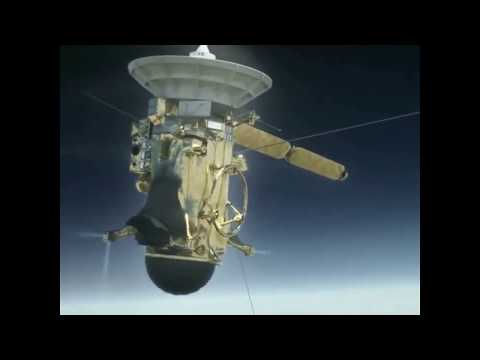
The following videos provide an overview of the achievements and challenges of science and technology. Click on a thumbnail to watch.

Things to remember
- Science is divided into major fields including Biology, Physics, Chemistry, and Earth and Space Science, each with numerous sub-fields and career paths.
- Physics, Chemistry, Biology, and Astronomy are the foundational fields of science. Each has a founding scientist recognised for pioneering contributions to that field.
- Science and technology have produced significant achievements in medicine, engineering, communication, space exploration, and agriculture.
- When misused or applied without adequate safety measures, science and technology can cause serious harm, including pollution, disease, and disasters.
- Nuclear accidents such as Chernobyl (1986) and Fukushima (2011) are examples of the consequences of mismanaged scientific technology.
- Scientific discoveries are beneficial only when accompanied by responsible use, ethical consideration, and proper safety practices.
© 2021 Saralmind. All Rights Reserved.
 Login with google